Autor: MELIA Observatory;
Održana druga radionica medijske pismenosti u sklopu projekta MELIA Observatory
Objavljeno: 28. 10. 2022.
Autor: MELIA Observatory;
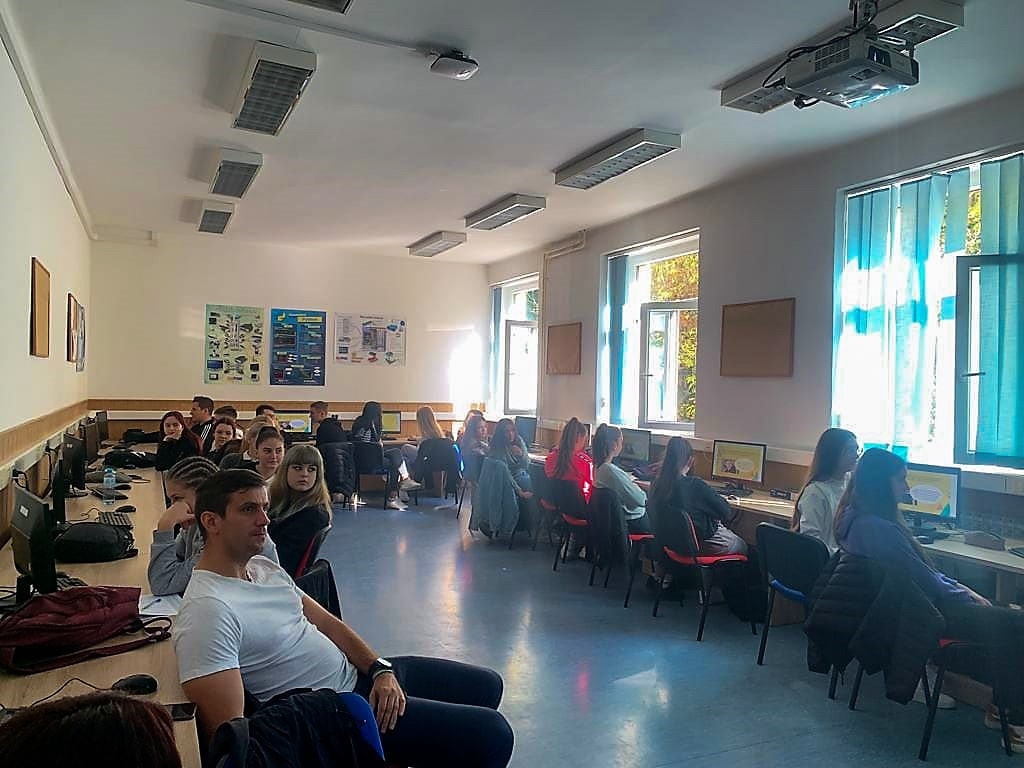
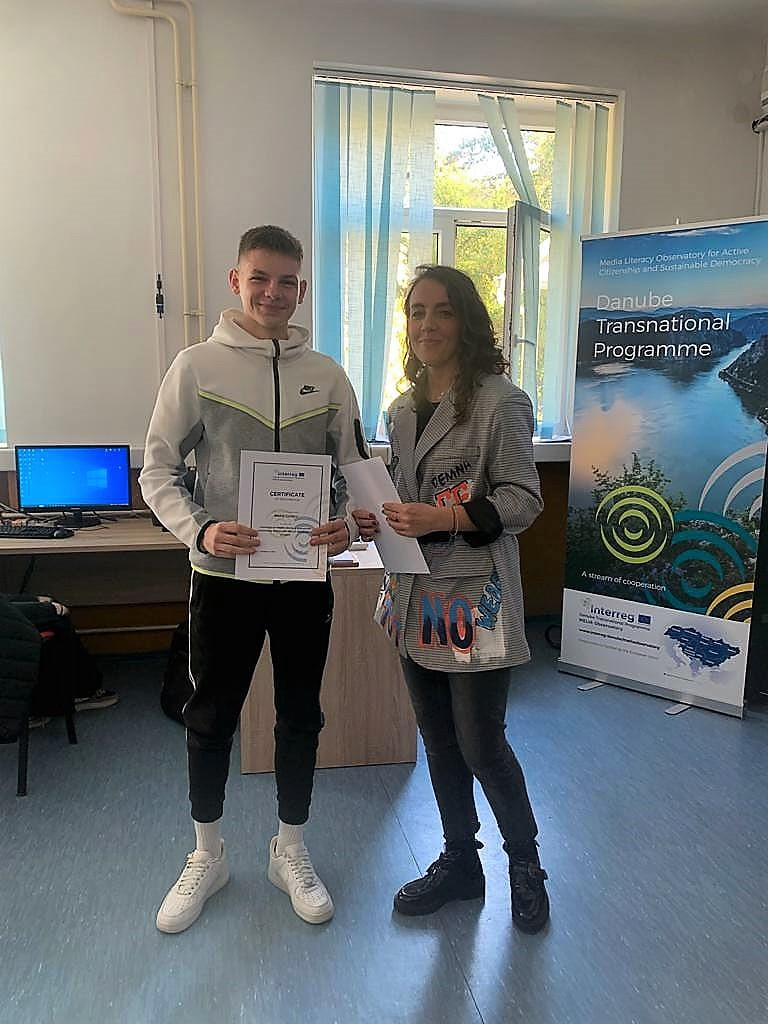
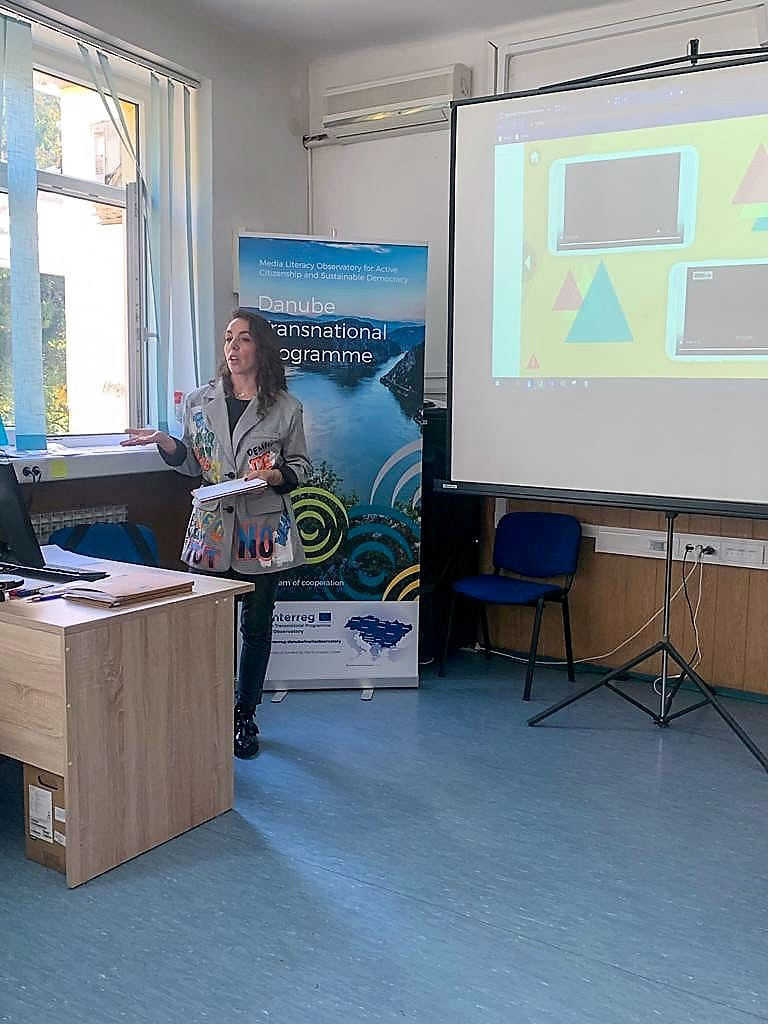
27. listopada 2022. godine u organizaciji Hrvatske gospodarske komore održana je druga radionica medijske pismenosti u sklopu projekta MELIA Observatory (Media Literacy Observatory for Active Citizenship and Sustainable Democracy), sufinanciranog u okviru Programa transnacionalne suradnje Interreg V-B Dunav.
Kao i prva radionica u rujnu, radionica je održana za učenike Zdravstvene i veterinarske škole dr. Andrije Štampara u Vinkovcima, koja je iskazala interes za sudjelovanje u pilot projektu s ciljem testiranja kurikuluma i edukativnih materijala za jačanje medijske pismenosti za učenike srednjih škola, koji su kreirani u okviru projekta. Edukativni materijali na hrvatskom jeziku dostupni su na web stranici projekta. Radi se o interaktivnim prezentacijama, koje uz pomoć pripadajućeg priručnika poučavaju medijsku pismenost kroz šest različitih tema, kako bi se učenicima srednjih škola omogućila znanja i vještine za razumijevanje medija i sudjelovanje u demokratskom društvu, uključujući civilno društvo i politiku. Teme su: 1) Ponašanje na društvenim mrežama; 2) Vještine kritičkog razmišljanja; 3) Marketing i oglašavanje; 4) Vijesti, obmane i dezinformacije; 5) Manipulacija i propaganda; 6) Politika.
Učenici su nakon edukacije u upitniku iskazali svoje zadovoljstvo materijalima i edukacijom te ocijenili vlastiti napredak postignut edukacijama. Tako dobivene povratne informacije od krajnjih korisnika koristit će se za eventualno poboljšanje edukativnih alata te za kreiranje preporuka i smjernica za donositelje politika koje reguliraju edukacije o medijskoj pismenosti u osnovnim i srednjim strukovnim školama te one za medijske edukatore.
Osim u Hrvatskoj, edukativni alati za jačanje vještina medijske pismenosti za učenike srednjih škola testirani su također u jednoj srednjoj strukovnoj školi u Češkoj, s ciljem usporedbe rezultata testiranja u ove dvije zemlje s različitom tradicijom u srednjoškolskom obrazovanju.

Izvor: MELIA Observatory.
The second media literacy training was held as part of the MELIA Observatory project
On October 27, 2022, the second media literacy training was held in the organization of the Croatian Chamber of Economy as part of the MELIA Observatory (Media Literacy Observatory for Active Citizenship and Sustainable Democracy) project, co-financed under the Danube Transnational Programme.
Same as the first training in September, the workshop was held for the students of the Health and veterinary school dr. Andrija Štampar in Vinkovci, who expressed interest in participating in a pilot project with the aim of testing the curriculum and capacity-building tools on media literacy for high school students, created within the project. The training materials in Croatian are available on the project website. These are interactive presentations, which, with the help of the accompanying manual, teach media literacy through six different topics, in order to provide high school students with the knowledge and skills to understand the media and participate in a democratic society, including civil society and politics. The topics are: 1) Behavior on social networks; 2) Critical thinking skills; 3) Marketing and advertising; 4) News, deception and misinformation; 5) Manipulation and propaganda; 6) Politics.
After the training, the students expressed their satisfaction with the materials and training in the questionnaire and evaluated their own progress achieved by the education. The feedback received from end users will be used for the possible improvement of capacity building tools and for the
creation of guidelines for policy makers that regulate media literacy education in primary and secondary vocational schools and those for media educators.
In addition to Croatia, capacity-building tools on media literacy for high school students were also tested in one vocational high school in the Czech Republic, with the aim of comparing the test results in these two countries with different traditions in vocational school education systems.